The Bar Association of India

Founded 1959 • Inaugurated 1960

The Bar Association of India has its roots in a question that India's legal establishment began asking shortly after Independence: could the country's fragmented, province-by-province bar be unified into a single national body, and should it be? In 1951, the Government of India appointed the All India Bar Committee - chaired by Justice S.R. Das, who would later become Chief Justice of India - to examine precisely that question. The Committee's report, submitted in 1956, answered it in the affirmative.

Two years later, in September 1958, the First Law Commission of India - headed by M.C. Setalvad, the country's inaugural Attorney-General - reinforced that recommendation in its 14th Report. With the case for unification now firmly established in two authoritative documents, Chief Justice Das asked Dr. K.M. Munshi, then Executive Chairman of the Indian Law Institute, to translate the idea into institutional reality.

Dr. Munshi studied the structures of bar associations in several countries, paying particular attention to the American Bar Association, before circulating a questionnaire to High Court Bar Associations, Advocate Generals, Senior Advocates, and local bar associations across India. The responses revealed what the reports had anticipated: a widespread and genuine desire for a unified national bar. The question was no longer whether, but how.

The matter came to a head at an All India Law Conference held under the auspices of the Indian Law Institute in March 1959. The Conference resolved to found the Bar Association of India, constituted an Organising Committee, and directed that a draft Constitution be prepared and circulated for comment. The Constitution was adopted in light of the suggestions received, and the Association was registered under the Societies Registration Act on 25 September 1959.

The Association was formally founded on 8 August 1959, and inaugurated on 2 April 1960 by President Dr. Rajendra Prasad at Vigyan Bhavan, New Delhi - in the presence of Vice President Dr. Sarvepalli Radhakrishnan, Prime Minister Jawaharlal Nehru, the Chief Justice of India, the Law Officers of India, all the Advocate Generals, and the Presidents of the High Court Bar Associations. M.C. Setalvad became its Founder President.
"
PURPOSE AND MISSION
From the outset, the Association was conceived as more than a professional guild. Its Founder President articulated its purpose in terms that remain as relevant today as they were in 1960:
"We aim at upholding the Constitution of India, the representative, free and democratic form of government established by it and the promotion of the Rule of Law. We are to endeavour to apply our knowledge and experience in the field of Law to the promotion of the public good. The men of the Law cannot afford to stand aside when the country forging ahead along its newly chosen path. There are trends in our body politic which seem to make for authoritarianism and draw us toward the rule of a few. Important decisions affecting public interest are taken not by governmental agencies but by the parties in power whose dictates seem in turn to be followed by the governments. There is an unmistakable tendency to belittle the function of the judicial process and indeed to interfere with its operations. Corruption is said to stalk at large - and we all know how corruption has in many places led inevitably to the rise of power of autocratic force. It should be the paramount duty of a body composed of men pledged to the smooth and impartial administration of justice and the orderly development of a true democracy to earnestly ponder over these and like situations and take active and energetic measure to counter them in so far as such action may lie within its power."
- M.C. Setalvad, Founder President, Bar Association of India
These words - issued as a warning and a call to action - have guided the Association's work ever since. The defence of judicial independence, the promotion of the rule of law as the bedrock of democratic governance, and the responsibility of lawyers to engage with the public life of the nation are not aspirations the Association has held passively. They have been acted upon, consistently, across seven decades.
GOVERNANCE AND STRUCTURE
The Association was structured by its founders as a representative, voluntary apex body of the Indian legal profession " a federation of lawyers and bar associations drawn from every corner of the country. Its Governing Council is composed of members elected by individual lawyers from each State and Union Territory, and by District Bar Associations and Law Societies across India.The Attorney General for India, the Solicitor General of India, and the Senior-most Additional Solicitor General serve as ex-officio members, as do the Advocate Generals of all States, the President of the Supreme Court Bar Association, and the Presidents of all High Court Bar Associations. This breadth of representation " from the highest law officers of the Union to bar leaders in every state " is by design. The Association speaks for the Indian Bar as a whole, not any part of it.
Key Initiatives & Impact
ADVANCING THE RULE OF LAW The Association has sustained, across its sixty-six years, a commitment to the rule of law not merely as a phrase but as a programme. It has organised national and international conferences on constitutional law, judicial reform, administrative law, and legal education; published a journal - The Indian Advocate - since 1961; and intervened in landmark debates about judicial appointments, access to justice, and the ethical conduct of the bench and bar.
LAUNCH OF NEW DELHI INTERNATIONAL RULE OF LAW CONVENTIONThe Bar Association of India in April, 2023 launched the New Delhi International Rule of Law Convention, a unique platform establishing New Delhi as the major global centre for conversations around the Rule of Law, with focus on the Global South. The Convention is designed to Develop concepts and principles of International Rule of Law as they relate to inclusive economic development benefitting the populations of the Global South. The New Delhi vision foregrounds that prosperity in Global South leads to expansion of markets which benefits both Global North and Global South, besides reducing poverty and improving Human Rights.

Its most recent landmark in this space is the 2nd New Delhi International Rule of Law Convention, 2025, held on the theme of Global Economic Governance and Principles of the Rule of Law. The Convention drew participation from leading members of the Bars across 33 jurisdictions - a signal that BAI's convening role in the global rule of law discourse has, if anything, deepened in recent years.
THE BRICS LEGAL FORUM The Bar Association of India is a founding member of the BRICS Legal Forum - the principal platform for legal cooperation among the bars and law societies of Brazil, Russia, India, China, and South Africa. BAI helped shape the Forum's founding mandate: to promote legal cooperation, advance the rule of law, and build a more equitable international legal order from a Global South perspective.

In 2016, BAI hosted the Third BRICS Legal Forum in New Delhi, using the occasion to advance a distinct Indian position on BRICS-oriented arbitration and alternative dispute resolution. BAI office-bearers regularly lead India's delegations, contribute to plenary discussions, and participate in the drafting of Forum declarations - ensuring that India's voice is present and consequential in shaping BRICS positions on dispute resolution, legal education, and multilateral legal cooperation.
INTERNATIONAL REPRESENTATION BAI represents the Indian legal profession in the world's major international organisations of lawyers: the International Bar Association (IBA), the Commonwealth Lawyers Association (CLA), the Union Internationale des Avocats (UIA), the Law Association for Asia and the Pacific (LAWASIA), the Inter Pacific Bar Association (IPBA), and the International Legal Assistance Consortium (ILAC). The Association has not merely participated in these bodies - its representatives have led them. BAI nominees have held the Presidency of LAWASIA, the IBA, and the IPBA, placing Indian lawyers at the head of organisations that shape the global legal profession.
LEADERSHIP
The Architects of Our Vision
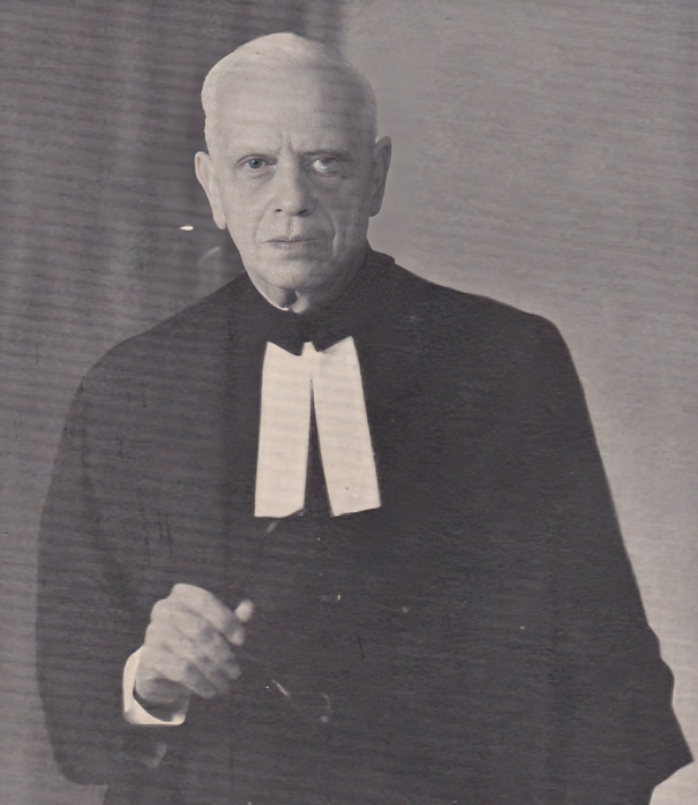
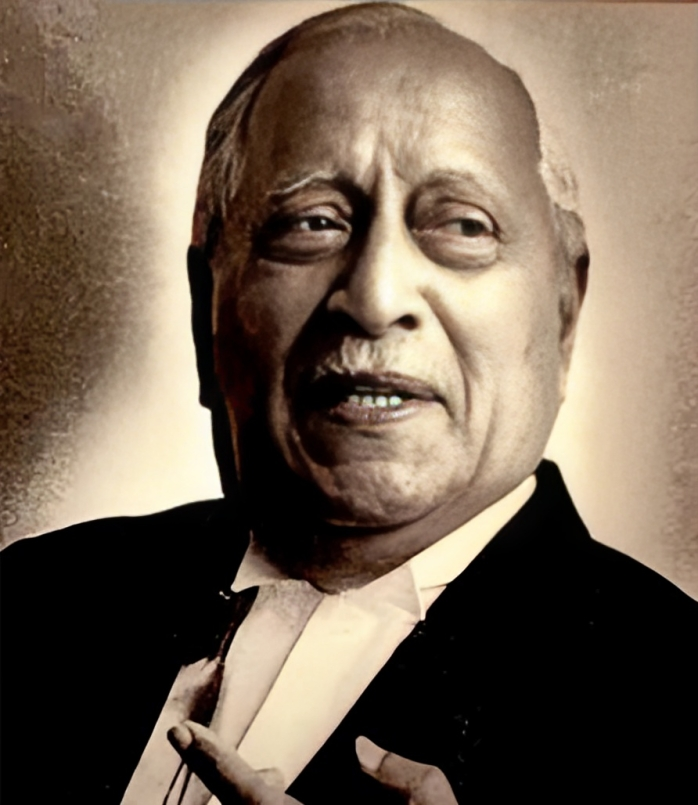
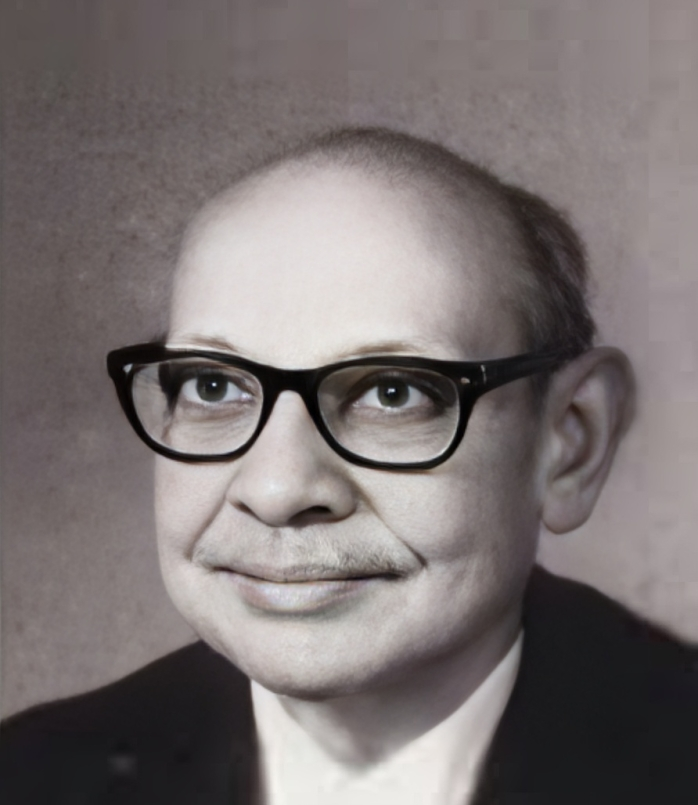
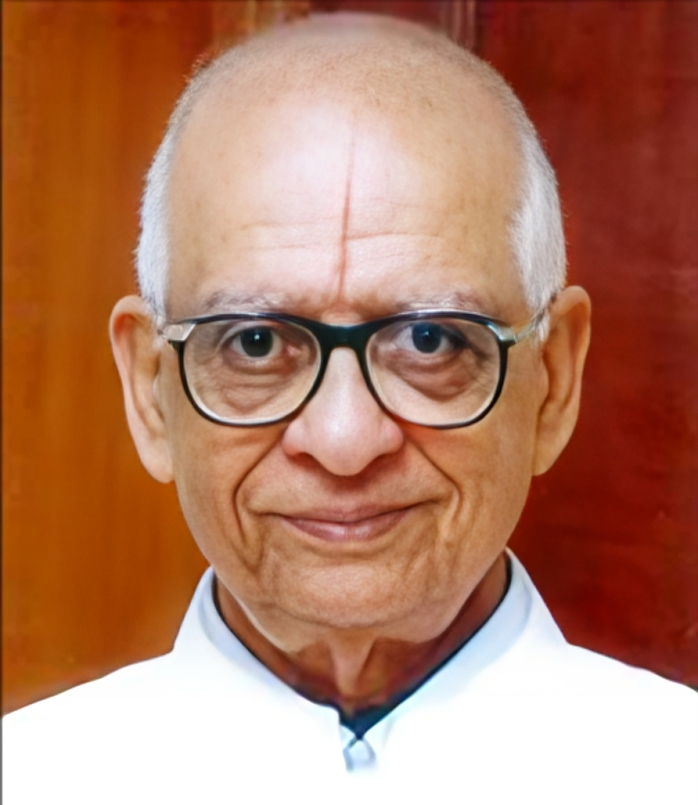
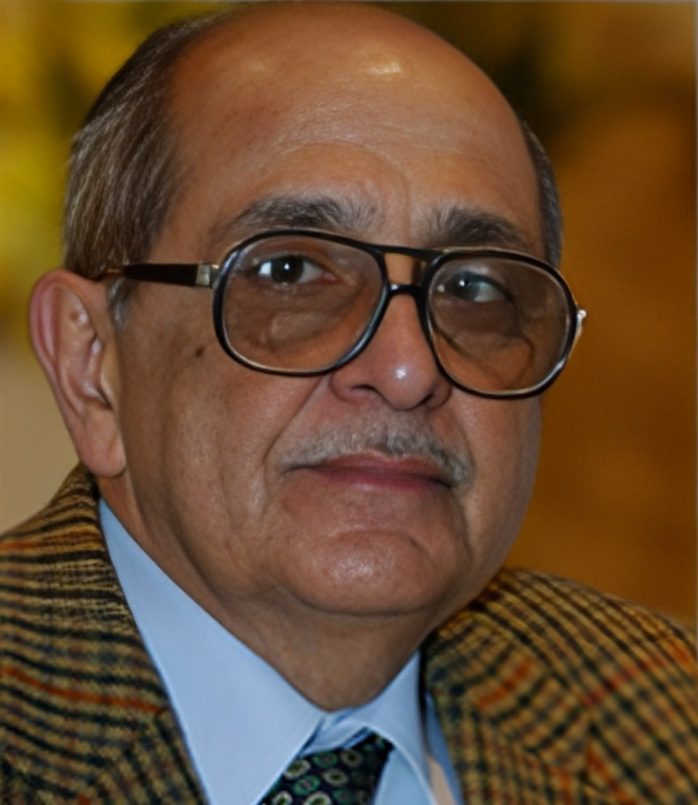
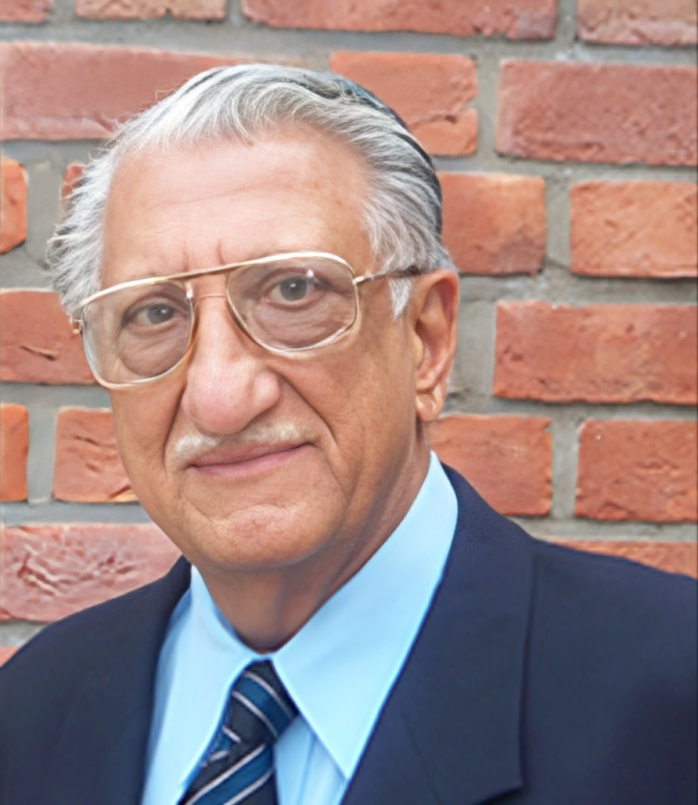
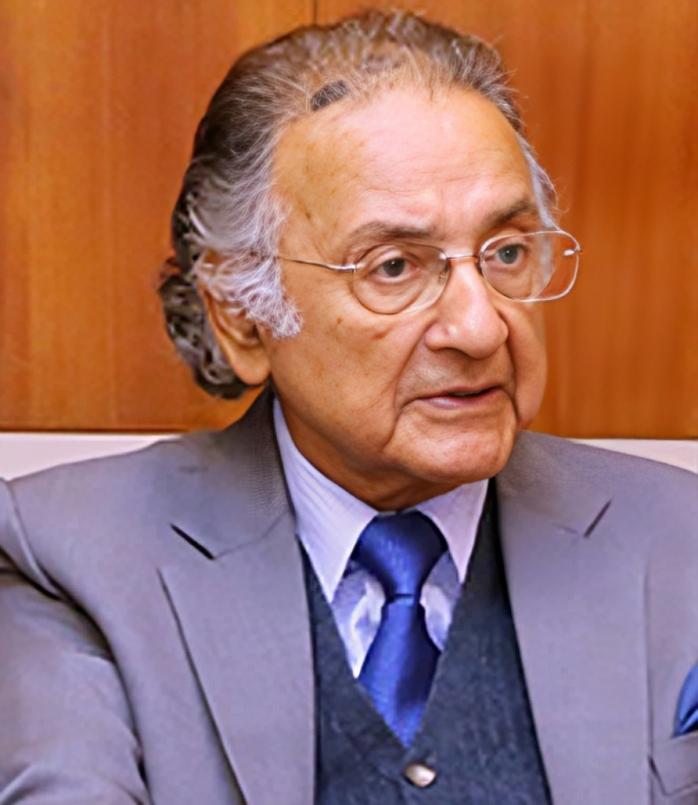
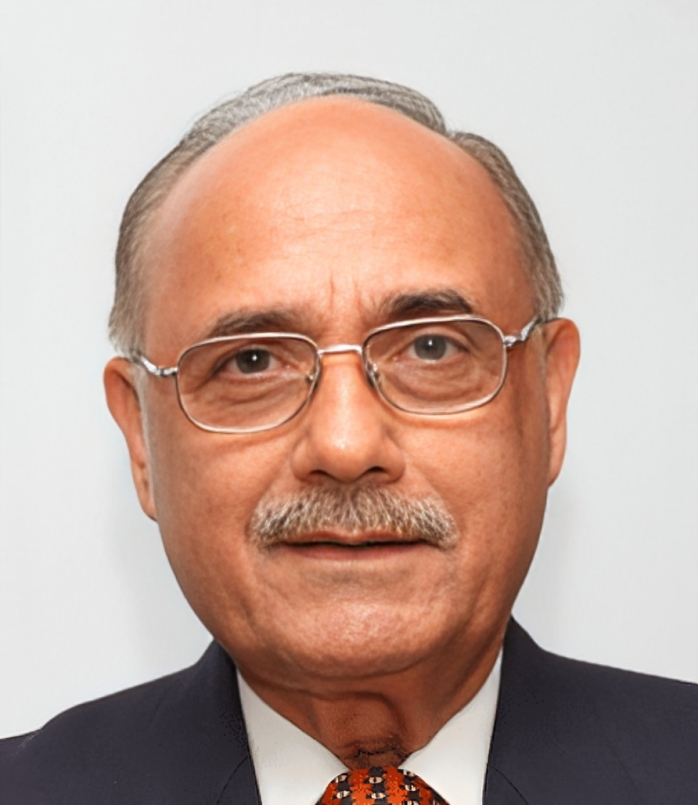
President's Gallery:
Late Sh. M. C. SetalvadFirst Attorney General for India, Founder President
Late Sh. C. K. DaphtaryFormer Attorney General for India
Late Sh. Lal Narayan SinhaFormer Attorney General for India
Sh. K. ParasaranFormer Attorney General for India
Late Fali S. NarimanSenior Advocate; Past President, LAWASIA
Late Sh. Anil B. DivanSenior Advocate; Past President, LAWASIA
Late Sh. R. K. P. ShankardassSenior Advocate; Past President, International Bar Association
Dr. Lalit BhasinAdvocate; Past President, Inter-Pacific Bar Association
Sh. Prashant KumarPast President, LAWASIA
THE INDIAN ADVOCATE
Since 1961, the Association has published The Indian Advocate - a journal of law and legal affairs that has, over more than six decades, served as a record of the profession's engagement with the defining legal questions of each era. It remains an authoritative voice of the Indian Bar.
The Bar Association of India carries forward a founding conviction: that lawyers, organised and purposeful, are not peripheral to constitutional democracy - they are among its essential custodians.